Hollywood finally said the quiet part out loud. The Academy has made clear that AI can help make a movie, but it can’t be the thing that wins an Oscar for acting or writing.
That matters far beyond awards season. If software can draft scenes, mimic voices, or shape a performance, people want to know where human authorship begins and where machine output ends.
The Oscars won’t settle every AI debate. Still, this rule gives the industry a firm starting point, and it tells viewers what the Academy still wants to honor.
What the Academy actually said about AI and Oscar eligibility
The core rule is simple. AI tools may be used in filmmaking, but awards for acting and writing still go to people. A chatbot, voice model, or generative system cannot be the named creative force for those categories.
That means a movie is not disqualified because a team used AI somewhere in the process. What matters is who created the performance and who wrote the screenplay in the way the Academy recognizes for a nomination.
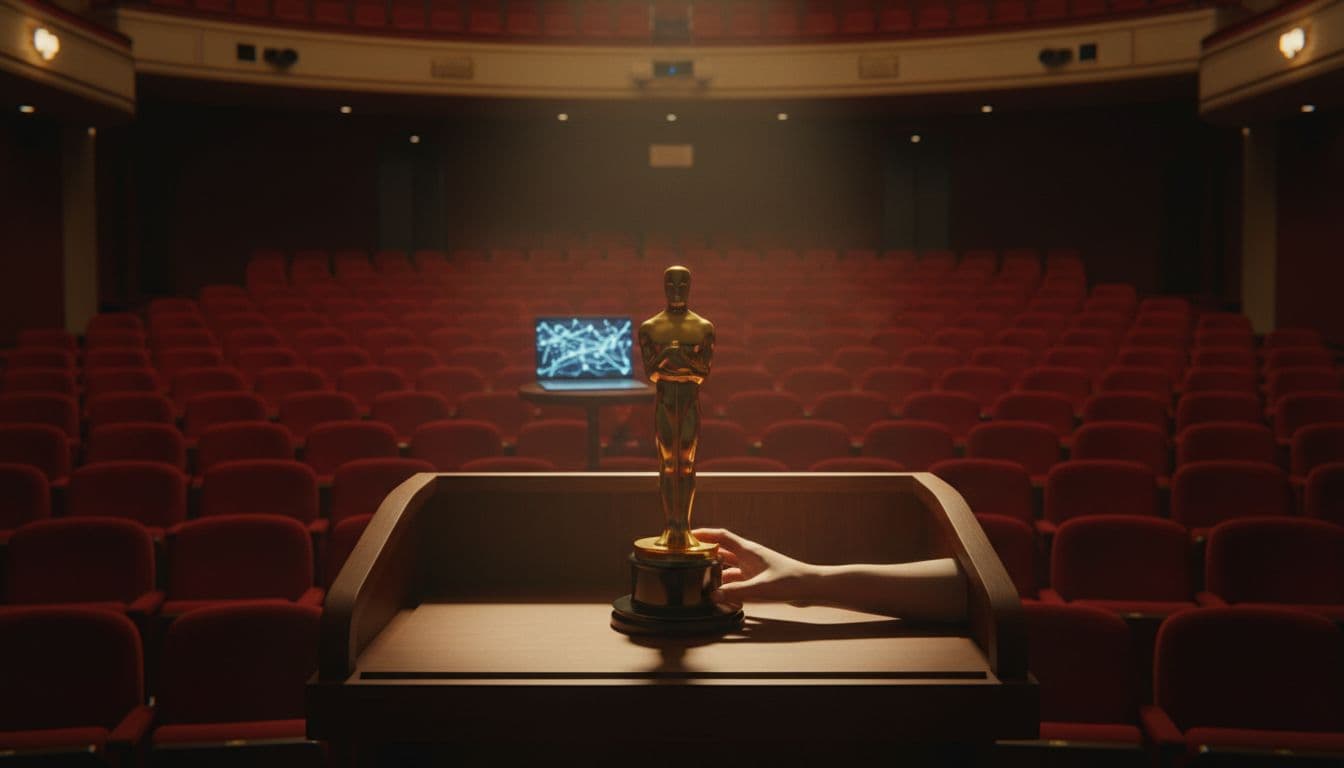
AI can assist, but it cannot replace the credited human
The line is about credit. A filmmaker might use AI to sort notes, test ideas, clean audio, or help with research. However, the final acting work and the final screenplay credit must still belong to a human being.
That matters during submissions and campaigns. If a performance comes mainly from synthetic generation, or if a script is machine-written and only lightly edited, the human claim gets shaky fast. The Academy wants the nominee to be the real creative source, not the person who pressed “generate.”
In other words, AI can sit in the tool kit. It can’t step onto the Oscar stage.
Why this rule is bigger than tech
This isn’t only about software. It’s about what the Oscars are supposed to reward.
Acting awards honor choices, feeling, presence, timing, and the lived judgment behind a role. Writing awards honor structure, voice, scene work, and the choices that turn an idea into a script. The Academy is saying those honors still depend on human effort and human ownership.
That’s why the rule lands with such force. It defends a basic belief: tools can help shape art, but the artist still has to be a person.
Why the Academy drew the line now
The timing isn’t random. Generative AI moved from novelty to daily workflow in a short span, and Hollywood had to respond.
During the recent labor fights, writers and performers pushed hard on AI because the risks felt immediate. Writers worried about studios using machine drafts to cut jobs or weaken credit. Actors worried about digital doubles, cloned voices, and contracts that could turn one day’s work into endless reuse.
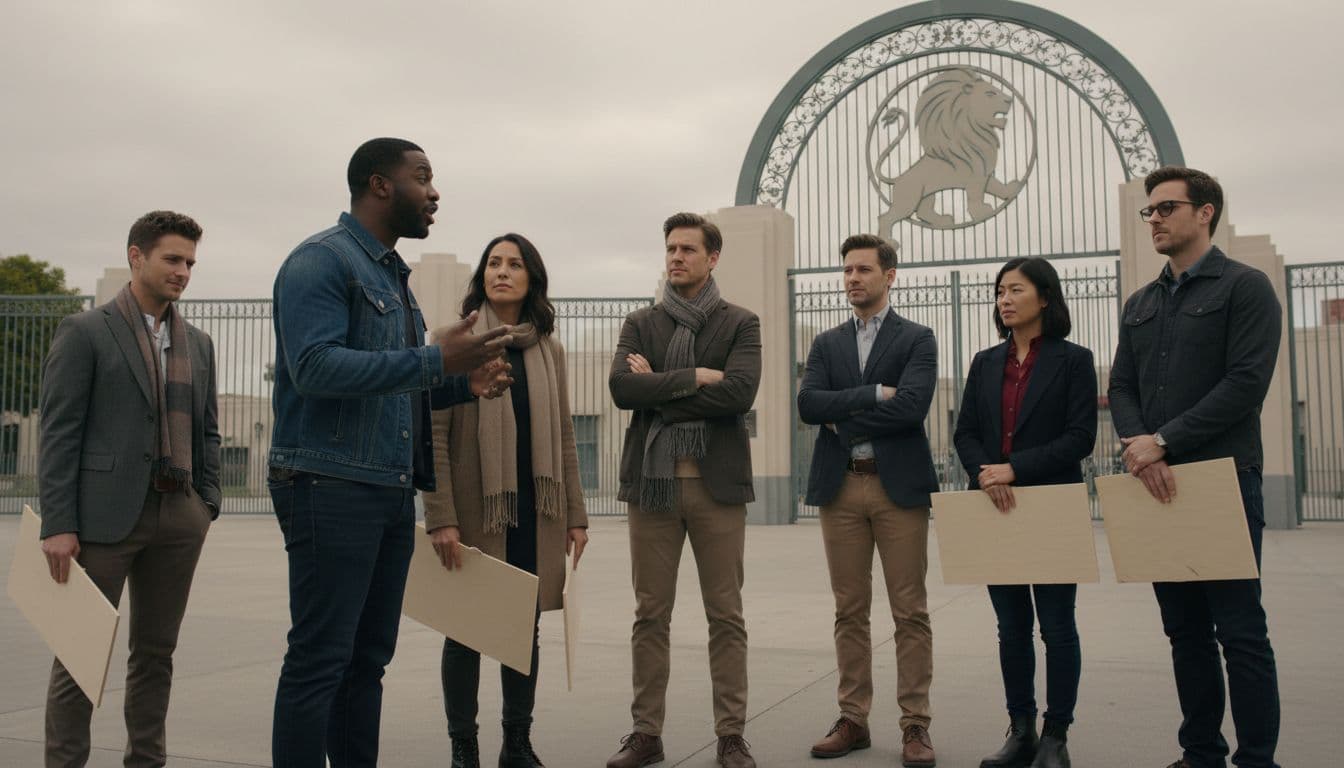
Hollywood wants answers on credit, consent, and control
These fears are easy to understand. If an AI model trains on scripts, who owns the result? If a studio recreates an actor’s face or voice, who approves that use? If a machine generates dialogue in a famous writer’s style, who gets credit for the page?
Those are not side issues. They touch pay, consent, reputation, and career survival. Because of that, the Academy’s move fits a larger shift across the business. Guilds, studios, streamers, and awards bodies all need rules that separate support tools from actual authorship.
The Academy didn’t create the whole answer. Still, it set a public boundary that others can build on.
The Academy wants to protect the meaning of performance and authorship
Awards carry symbolic weight. They don’t only hand out trophies, they tell the culture what counts.
If the Academy let AI win acting or writing honors, it would blur the value of personal judgment and lived experience. A screenplay is more than assembled words. A performance is more than a convincing output. People bring memory, instinct, tension, humor, pain, and taste to creative work, and awards are meant to recognize that.
So the message is plain. Technology can support the process, but human intention still anchors the categories.
What this means for studios, creators, and AI tools
For studios, the practical takeaway is clear. AI is still on the table for support work, and that likely won’t change. Teams may use it for planning shots, organizing research, testing edits, cleaning sound, or speeding up repetitive tasks.
What changes is the credit line. If a studio wants a film to compete for major awards, it has to preserve clear human authorship in the places that matter most.
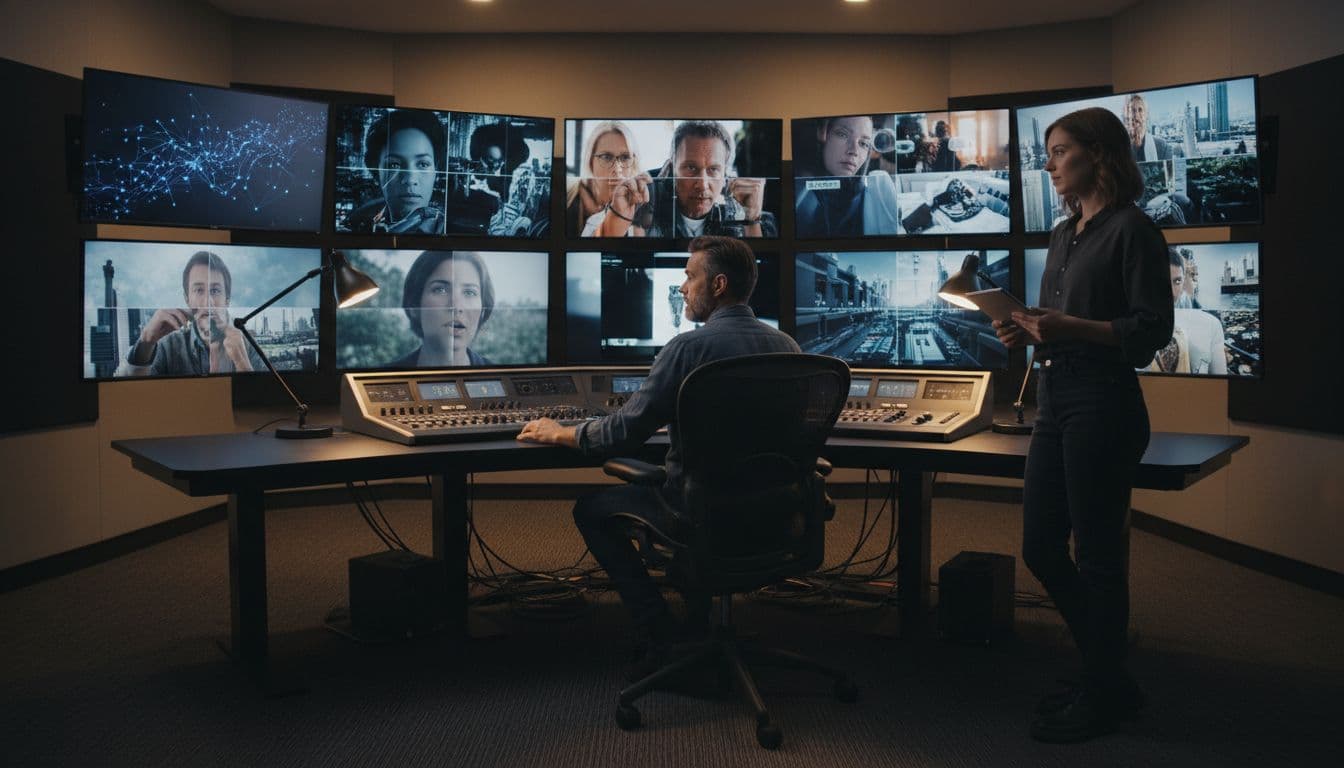
Creators still need to know where the human line is
Writers, actors, and filmmakers may now need better records of their own input. If AI helped with drafts, rewrites, or voice work, the human creator may have to show how much of the final result came from their own choices.
That doesn’t mean every artist must fear using new tools. It means the person named for an Oscar has to be the real engine behind the work. The more AI enters the workflow, the more important that proof becomes.
For creators, this could even bring some clarity. A tool can help you move faster, but it can’t take your place in the category.
Studios may use AI in the background, not as the star
This rule does not ban AI from filmmaking. It narrows AI’s role.
Studios will still look for ways to save time and money. However, they now have a stronger reason to keep AI in support positions rather than at the center of credited creative work. That may shape how projects are staffed, how contracts are written, and how awards campaigns are framed.
So the future looks less like AI replacing artists and more like AI being managed, limited, and watched. For now, the Oscar categories for acting and writing remain human territory.
Conclusion
The Academy has drawn a bright line around human creativity. AI may help build a film, polish a process, or speed up production, but it cannot be the artist who wins the trophy.
That choice matters because awards shape standards. When the Oscars say acting and writing still belong to people, other groups will pay attention.
The bigger story is simple. As AI moves further into creative work, the question of credit gets harder, but the center of the frame is still human.