A Nation at 100: What the Centennial of United States Centennial Teaches Us About Progress, Identity, and the Future

Introduction
Milestones invite reflection. When a nation reaches its 100th year, the moment is more than symbolic—it becomes an opportunity to look backward, evaluate the present, and imagine the future.
The United States Centennial was one such moment. Celebrated in 1876, it marked a century since independence and offered Americans a chance to define who they were and what they aspired to become.
But beyond parades and exhibitions, the centennial carried deeper meaning. It reflected a nation in transition—grappling with its past while striving toward progress.
Today, revisiting that moment offers valuable insights. It reveals how societies evolve, how identity is shaped, and how historical reflection can guide future decisions.
A Celebration of Progress and Possibility
The centennial was designed to showcase achievement. It was a statement to the world that the United States had transformed from a young republic into a growing industrial power.
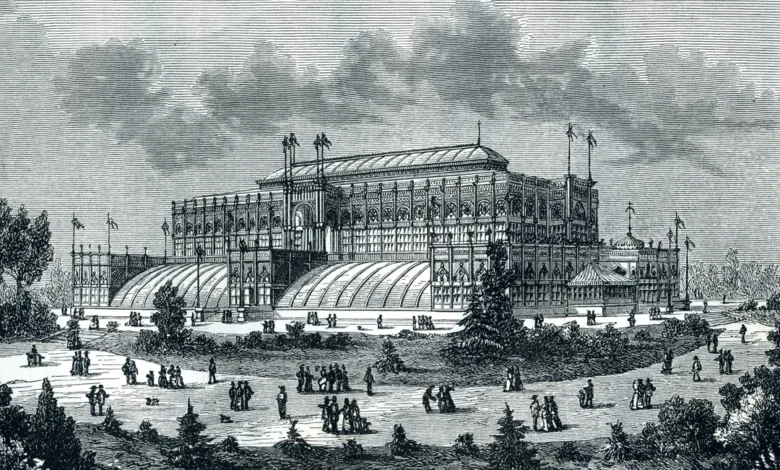
One of the defining features of the celebration was the grand exhibition held in Philadelphia, where innovations, technologies, and cultural artifacts were displayed.
This event highlighted:
- Advances in industry and manufacturing
- Growth in infrastructure and transportation
- Emerging cultural identity
The message was clear: progress was not just a fact—it was a defining characteristic of the nation.
The Complexity Behind the Celebration
While the centennial emphasized unity and achievement, it also existed alongside unresolved tensions.
The country was still recovering from the effects of the American Civil War, and social divisions remained.
This contrast reveals an important lesson:
National narratives often highlight progress while overlooking ongoing challenges.
Understanding this duality is essential when interpreting historical milestones. They are not just celebrations—they are reflections of both success and struggle.
Identity in the Making
At 100 years old, the United States was still defining its identity.
Questions shaping the nation included:
- What values should guide its future?
- How should it balance diversity and unity?
- What role should it play on the global stage?
The centennial provided a platform to explore these questions, even if the answers were not fully clear.
This process of identity formation is not unique to one nation. It is a universal aspect of societal development.
Innovation as a National Narrative
One of the most striking aspects of the centennial was its focus on innovation.
Technological advancements were presented as symbols of progress and the future. This emphasis created a narrative that linked national identity with creativity and invention.
That narrative continues today.
Modern societies still measure progress through innovation—whether in technology, science, or culture. The centennial reminds us that this connection has deep historical roots.
The Role of Public Memory
How a nation remembers its past shapes how it sees its future.
The United States Centennial was not just about history—it was about storytelling. It presented a curated version of the past, highlighting certain achievements while downplaying others.
This raises an important point:
History is not only what happened—it is also how it is remembered.
Public memory influences national identity, guiding decisions and shaping perspectives for generations.
Lessons in Inclusion and Exclusion
Not everyone experienced the centennial in the same way.
While the celebration aimed to represent national unity, many groups were underrepresented or excluded.
This reality highlights a critical lesson:
Progress must be inclusive to be meaningful.
Modern societies continue to grapple with this issue. The centennial serves as a reminder that true advancement requires recognizing and addressing inequalities.
The Power of Symbolic Milestones
Milestones like a centennial carry symbolic weight. They create moments of reflection that can inspire change.
At 100 years, a nation asks:
- What have we achieved?
- Where have we fallen short?
- What should come next?
These questions are just as relevant today as they were in 1876.
Comparing Then and Now
While the world has changed dramatically since the 19th century, certain themes remain consistent.
Then:
- Industrial growth
- National identity formation
- Post-conflict recovery
Now:
- Digital transformation
- Global interconnectedness
- Social and cultural evolution
The parallels suggest that while circumstances change, the fundamental challenges of progress and identity remain.
Progress Is Not Linear
One of the key takeaways from the centennial is that progress does not follow a straight path.
Achievements are often accompanied by setbacks. Growth can reveal new challenges.
This perspective encourages a more nuanced understanding of history—one that acknowledges complexity rather than seeking simple narratives.
The Importance of Reflection
The centennial demonstrates the value of pausing to reflect.
In a fast-paced world, it is easy to focus solely on the future. However, understanding the past provides context and perspective.
Reflection allows societies to:
- Learn from mistakes
- Build on successes
- Make informed decisions
Without reflection, progress can lose direction.
Global Relevance
Although the centennial was a national event, its lessons have global relevance.
Every society experiences moments of transition and self-evaluation. The themes of progress, identity, and inclusion are universal.
By examining historical milestones, countries can gain insights into their own development.
The Future Through a Historical Lens
Looking back at the United States Centennial encourages us to think about the future differently.
Instead of seeing history as separate from the present, we can view it as a continuous narrative.
This perspective helps answer important questions:
- How can we build more inclusive societies?
- What does meaningful progress look like?
- How do we balance innovation with responsibility?
A Lesson in Perspective
Perhaps the most important lesson from the centennial is the value of perspective.
What seems like a defining moment in one era may be viewed differently in another. Understanding this helps us approach both history and the present with humility.
It reminds us that:
- No period is perfect
- Every generation faces unique challenges
- Progress is always a work in progress
Conclusion
The United States Centennial was more than a celebration of 100 years—it was a moment of reflection, identity, and aspiration.
By revisiting that milestone, we gain insights into the nature of progress, the importance of inclusion, and the power of collective memory.
As modern societies navigate their own challenges, these lessons remain relevant. They remind us that while history may not provide all the answers, it offers a valuable guide.
In the end, the true significance of any centennial lies not in the celebration itself, but in what we choose to learn from it.
FAQs
1. What was the United States Centennial?
It was a celebration in 1876 marking 100 years of independence.
2. Why is it historically important?
It showcased progress, innovation, and national identity during a فترة انتقالية.
3. What lessons can we learn from it?
The importance of reflection, inclusion, and understanding complex progress.
4. Was the celebration inclusive?
Not entirely—many groups were underrepresented.
5. Why does it still matter today?
Because its themes of identity and progress remain relevant in modern society.