Fashion, Power, and Legacy: A Fresh Look at The Devil Wears Prada 2 and Its Cultural Impact

Introduction
Few films have left as lasting an impression on pop culture as The Devil Wears Prada. With its sharp dialogue, unforgettable performances, and insightful portrayal of the fashion industry, it became more than just a movie—it became a cultural reference point.
Now, years later, the anticipated sequel, The Devil Wears Prada 2, steps into a very different world. The fashion industry has evolved, media has transformed, and audiences have become more critical of power dynamics and workplace culture.
This article offers a comprehensive, high-quality analysis of what makes this sequel significant, how it reflects modern realities, and whether it lives up to the legacy of the original.
Revisiting a Cultural Phenomenon
The original The Devil Wears Prada was not just about fashion—it was about ambition, identity, and the cost of success.
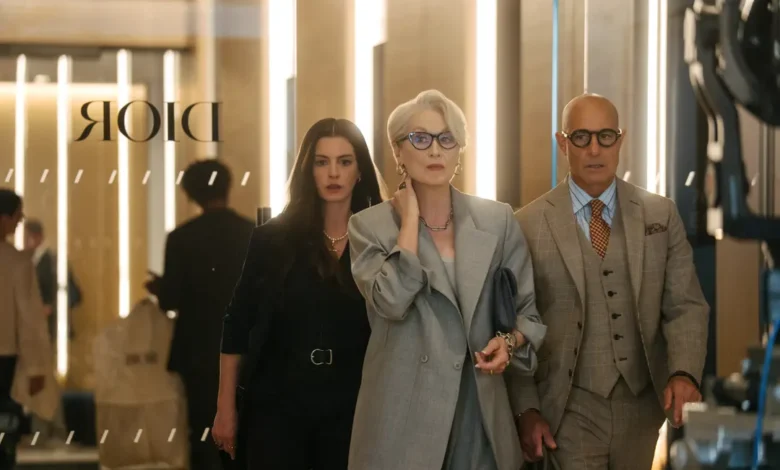
At the center of the story was Miranda Priestly, a character who quickly became iconic. Her commanding presence, portrayed by Meryl Streep, redefined what a powerful female character could look like on screen.
Alongside her was Andy Sachs, played by Anne Hathaway, whose journey from outsider to insider captured the tension between personal values and professional ambition.
The sequel builds on this foundation—but it does so in a world that has changed dramatically.
A New Era for Fashion and Media
One of the most compelling aspects of The Devil Wears Prada 2 is how it reflects the transformation of the fashion industry.
In the original film, traditional magazines dominated. Today, digital platforms, influencers, and social media shape trends in real time.
Key Shifts:
- Print media has declined
- Influencers have become powerful voices
- Brands interact directly with audiences
This shift creates a new context for the story, where authority is no longer centralized, and control is constantly challenged.
Character Evolution: Growth and Complexity
A successful sequel must do more than revisit familiar characters—it must evolve them.
Miranda Priestly: Power Reimagined
Miranda Priestly remains a symbol of authority, but in a changing industry, even power must adapt.
The sequel explores questions such as:
- How does a traditional leader navigate a digital world?
- Can authority survive without control?
Rather than simply repeating her previous role, Miranda’s character becomes more layered, reflecting both strength and vulnerability.
Andy Sachs: A New Perspective
Andy Sachs returns with a different outlook. No longer the inexperienced assistant, she represents a generation that values balance, authenticity, and independence.
Her journey raises important questions:
- What does success mean in today’s world?
- Is ambition still worth personal sacrifice?
This evolution adds depth to the narrative, making it more relevant to modern audiences.
Themes That Resonate Today
The sequel expands on the original film’s themes while introducing new ones.
1. Power and Accountability
In today’s world, leadership is constantly scrutinized. The film reflects this shift, showing that authority now comes with greater responsibility.
2. Identity in a Digital Age
With social media shaping public perception, characters must navigate how they present themselves versus who they truly are.
3. Work-Life Balance
Modern audiences are more aware of burnout and mental health. The film addresses these issues in a way that feels timely and authentic.
Visual Storytelling and Fashion Aesthetics
Fashion remains at the heart of the film, but its presentation has evolved.
The sequel embraces:
- Modern design trends
- Digital fashion influences
- Global diversity in style
Costume design plays a crucial role in storytelling, reflecting character growth and thematic shifts.
Unlike the original, which focused heavily on luxury brands, the sequel incorporates a broader spectrum of fashion, aligning with contemporary values of inclusivity and creativity.
The Challenge of Sequels
Creating a sequel to a beloved film is inherently risky.
Expectations Are Higher
Fans expect the same charm, wit, and emotional impact as the original.
Comparisons Are Inevitable
Every scene is measured against iconic moments from the first film.
The Risk of Repetition
Repeating old formulas can feel unoriginal, while drastic changes may alienate audiences.
The success of The Devil Wears Prada 2 depends on finding the right balance between nostalgia and innovation.
Performance and Casting Impact
The return of key actors adds authenticity and continuity.
Meryl Streep once again brings depth and nuance to Miranda, proving why she remains one of the most respected actors in cinema.
Anne Hathaway delivers a more mature and reflective performance, capturing the evolution of Andy’s character.
Their chemistry continues to drive the narrative, anchoring the film in emotional realism.
Cultural Relevance in 2026
The sequel arrives at a time when conversations about workplace culture, gender dynamics, and media influence are.
It reflects:
- The shift toward ethical leadership
- The importance of authenticity
- The changing definition of success
By addressing these topics, the film connects with audiences on a deeper level.
Critical Perspective: Does It Work?
From a critical standpoint, The Devil Wears Prada 2 succeeds in several areas:
Strengths:
- Strong character development
- Relevant themes
- High production quality
Potential Weaknesses:
- The challenge of matching the original’s impact
- Balancing nostalgia with innovation
While it may not replicate the cultural shock of the first film, it offers a thoughtful and engaging continuation of the story.
The Future of Fashion Films
The success of this sequel could influence the future of fashion-focused storytelling.
It demonstrates that:
- Fashion films can explore deeper themes
- Audiences value authenticity over glamour alone
- Stories about industry and identity remain compelling
This could open the door for more nuanced narratives in the genre.
Conclusion
The Devil Wears Prada 2 is more than a continuation of a beloved story—it is a reflection of how culture, media, and identity have evolved.
By revisiting iconic characters while addressing modern realities, the film bridges the gap between past and present. It challenges viewers to reconsider what success means and how power should be exercised in a rapidly changing world.
While comparisons to the original are inevitable, the sequel stands on its own as a thoughtful, relevant, and visually compelling film.
In the end, its greatest achievement may not be recreating the past—but redefining it.
FAQs
1. Is The Devil Wears Prada 2 a direct continuation؟
Yes, it follows the characters from the original film while exploring their lives in a modern context.
2. What themes does the sequel focus on؟
It explores power, identity, digital transformation, and work-life balance.
3. Do the original actors return؟
Yes, key performances by Meryl Streep and Anne Hathaway remain central.
4. How is the sequel different from the original؟
It reflects changes in the fashion industry and modern societal values.
5. Is the film worth watching؟
For fans of the original and those interested in character-driven stories, it offers a meaningful and engaging experience.