Tensions at Sea: What the Debate Around Donald Trump, Naval Power, and Iran Reveals About Modern Geopolitics

Introduction
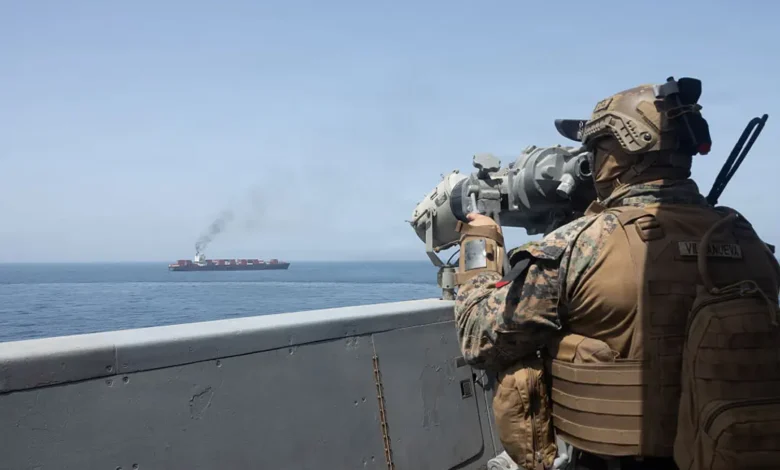
In today’s interconnected world, global stability often depends on what happens far from public view—particularly at sea. Maritime routes carry the majority of the world’s trade, making them vital to economic security and political influence.
Recent discussions involving Donald Trump, the strategic role of the United States Navy, and tensions with Iran highlight how fragile that stability can be.
These developments are not isolated Events. They reflect broader geopolitical dynamics involving power, deterrence, and the evolving nature of conflict in the 21st century.
This article explores the deeper meaning behind such tensions, focusing on maritime strategy, regional influence, and the potential implications for the global order.
The Strategic Importance of Maritime Routes
Oceans are more than just vast bodies of water—they are the backbone of global trade.
Key shipping lanes, particularly in regions like the Middle East, handle:
- Oil and energy supplies
- Consumer goods
- Raw materials
Any disruption to these routes can have immediate global consequences, affecting prices, supply chains, and economic stability.
One of the most critical areas in this context is the Strait of Hormuz, a narrow passage through which a significant portion of the world’s النفط flows.
The Role of Naval Power
Naval forces play a central role in maintaining—or challenging—maritime stability.
The United States Navy is one of the most powerful naval forces in the world, tasked with:
- Protecting international shipping routes
- Deterring threats
- Projecting power across regions
Its presence in strategic مناطق is both a stabilizing force and, at times, a source of tension.
Iran’s Strategic Position
Iran occupies a geographically significant location, giving it influence over key البحرية passages.
This position allows it to:
- Monitor shipping activity
- Influence regional security dynamics
- Respond to external military presence
Iran’s strategy often involves asymmetric tactics—methods that rely on flexibility and unpredictability rather than conventional القوة العسكرية.
Political Rhetoric and Its Impact
Statements from influential figures like Donald Trump can have a significant impact on international relations.
Political rhetoric shapes:
- Public perception
- Diplomatic العلاقات
- Military posturing
Even without direct action, strong statements can escalate tensions by signaling intent or موقف.
The Concept of Blockade and Control
One of the most sensitive issues in maritime geopolitics is the idea of a blockade.
A blockade involves restricting access to key routes or ports, often as a form of pressure.
Potential Effects:
- Disruption of global trade
- Increase in energy prices
- Heightened military confrontation
Because of these risks, even discussions حول such measures can raise global concern.
Modern Conflict Without Direct War
Unlike traditional wars, modern conflicts often unfold without direct large-scale confrontation.
Instead, they involve:
- Strategic positioning
- Economic pressure
- Information warfare
Maritime tensions are a key example of this approach. They allow countries to assert influence without crossing the threshold into full-scale war.
The Economic Dimension
Global الاقتصاد is deeply tied to maritime stability.
Disruptions in key routes can lead to:
- Supply chain delays
- Increased transportation costs
- Market volatility
For energy-dependent economies, the stakes are even higher.
This is why maritime tensions are not just regional issues—they are global concerns.
The Role of Alliances
International alliances play a crucial role in shaping responses to geopolitical challenges.
Naval cooperation between countries can:
- Enhance security
- Share intelligence
- Coordinate responses
At the same time, alliances can also complicate situations, as multiple interests must be balanced.
Media and Public Perception
Media coverage influences how الناس perceive geopolitical events.
Simplified narratives can sometimes overlook complexity, leading to misunderstandings.
Understanding maritime tensions requires looking beyond headlines to consider:
- Historical context
- Strategic interests
- Long-term implications
Risk of Escalation
One of the biggest concerns in any geopolitical tension is escalation.
Small incidents—such as naval encounters or statements—can quickly grow into larger conflicts if not managed carefully.
This is why communication channels and diplomatic efforts are essential.
The Importance of Diplomacy
While military القوة plays a role, diplomacy remains the most effective tool for preventing conflict.
Negotiations, agreements, and dialogue help:
- Reduce misunderstandings
- Build trust
- Create frameworks for cooperation
Even in tense situations, diplomacy provides a path toward stability.
Lessons From History
History shows that maritime conflicts can have far-reaching consequences.
From trade disputes to military confrontations, control of the seas has long been a source of power and conflict.
These lessons highlight the importance of:
- Strategic planning
- International cooperation
- Responsible leadership
The Future of Maritime Security
As technology evolves, so does the nature of maritime security.
Emerging trends include:
- Use of drones and autonomous systems
- Cybersecurity threats to shipping infrastructure
- Increased surveillance capabilities
These developments will shape how future tensions are managed.
A Delicate Balance
The situation involving Iran, the United States Navy, and political discourse from figures like Donald Trump reflects a delicate balance.
It is a balance between:
- Power and deterrence
- Stability and tension
- Cooperation and competition
Maintaining this balance requires careful decision-making and a clear understanding of consequences.
Conclusion
Maritime tensions are more than isolated Events—they are reflections of broader geopolitical dynamics that shape the modern world.
The interplay between political rhetoric, naval power, and regional influence highlights the complexity of maintaining global stability.
As nations navigate these challenges, the importance of restraint, communication, and strategic thinking becomes clear.
In a world where a single disruption can have global effects, understanding these dynamics is not just important—it is essential.
FAQs
1. Why are maritime routes important؟
They carry most of the world’s trade and energy supplies.
2. What role does the U.S. Navy play؟
The United States Navy helps protect shipping routes and maintain stability.
3. Why is Iran strategically important؟
Iran is located near key Navy passages like the Strait of Hormuz.
4. What is a blockade؟
It is the restriction of access to key routes or ports, often for political or military reasons.
5. Can these tensions lead to conflict؟
While possible, diplomacy and strategic restraint often prevent escalation.
If you want, I can also provide SEO keywords + Blogger HTML + internal linking strategy to help you rank faster and get AdSense approval easily.
