For years, Netflix trained viewers to expect the same thing: new movies arrive at home, fast and easy. That model worked, but it also made some big films feel smaller than they should. When a fantasy movie with franchise hopes lands on a couch instead of a giant screen, part of the event can disappear.
Now Netflix is moving closer to a true theatrical playbook, and the next “Narnia” film is the clearest proof yet. That matters for the movie itself, for theaters that need major titles, and for viewers who still want both options. The bigger question is whether this is a one-off move or the start of a smarter release pattern.
Why Netflix is finally making room for theaters
Netflix is not turning its back on streaming. Its whole business still depends on getting people to watch at home. Still, some movies gain more value when they open in theaters first.
A big-screen debut can build prestige, stronger reviews, and broader public attention. It can also help awards campaigns, since theatrical exposure still carries weight in that world. More importantly, a cinema release makes a movie feel like something people should show up for now, not save for some random Friday night months later.
That event feeling matters more than ever because streaming libraries are crowded. A film can be expensive, polished, and full of stars, yet still vanish into the scroll. Theaters cut through that problem. They give one movie a stage, a calendar date, and a reason for people to talk about it together.
Streaming first worked, but it had limits
Netflix built its brand on speed and convenience, and that changed the industry. Viewers loved getting instant access without tickets, parking, or sold-out shows.
But the model had weak spots. Family fantasy films often need momentum across weeks, not a single weekend of home clicks. Franchise starters also need a stronger first impression, because they are asking audiences to invest in more than one movie. When the launch feels small, the future can feel small too.
A theatrical release can make a movie feel bigger
Fantasy stories often depend on scale. Vast worlds, creature design, music, and action scenes land differently in a dark theater with a full crowd.
“Narnia” is the kind of property that benefits from that setting. Snowy forests, mythical creatures, battle scenes, and a sense of wonder all play better on a large screen. Shared audience reaction matters too. Gasps, laughs, and silence at the right moment can turn a decent movie into a memorable one.
Big fantasy films do not only need viewers. They need anticipation.
What the new “Narnia” film could gain from a real theater run
This is where the strategy makes the most sense. “Narnia” is not a small drama or a niche comedy. It is a family fantasy brand with built-in name recognition, visual scope, and sequel potential. If Netflix wants to test a wider theatrical model, this is a smart title to use.

A proper rollout could also change how audiences frame the movie before they ever press play on Netflix. Instead of “another new release,” it becomes a movie people heard about, saw reviews for, and maybe discussed with friends. That shift sounds simple, but it can change how a film lives in culture.
The story world fits the big screen
“Narnia” has always been a cinema-friendly world. It mixes childhood wonder with epic fantasy, which gives it broad appeal across age groups.
Parents can take kids. Adults who grew up with the books or earlier films can show up too. That makes it stronger than many streaming originals, which often target narrower slices of the audience. A theater release suits that wider reach.
A movie like this needs buzz before it hits streaming
Buzz does not appear out of nowhere. It grows through trailers, opening weekend chatter, reviews, social posts, and repeat conversation. Theaters help all of that because they create a visible launch.
When a film opens only on streaming, people may watch at different times over several weeks. That spreads attention out. A theater run does the opposite. It concentrates attention, and that concentration often creates stronger word of mouth. Then, when the movie later arrives on Netflix, it reaches home viewers with more heat behind it.
This could set up a bigger franchise plan
If Netflix wants “Narnia” to become more than one movie, it needs a strong first chapter. A theatrical release can help establish the brand with more force and more confidence.
That matters for sequels, spin-offs, merchandising, and long-term audience loyalty. It also gives Netflix a useful test case. If “Narnia” performs well in theaters and later performs well on streaming, the company gets a model it can reuse for other large-scale films.
What this move means for theaters, filmmakers, and viewers
The impact goes beyond one title. Theaters get a high-profile film from a company that once treated cinemas as a side issue. That gives exhibitors one more source of major releases at a time when every big movie matters.
Filmmakers also benefit. When directors know a movie will play in theaters, they can think more boldly about image, sound, pacing, and scale. Some stories do not need that. Others clearly do.
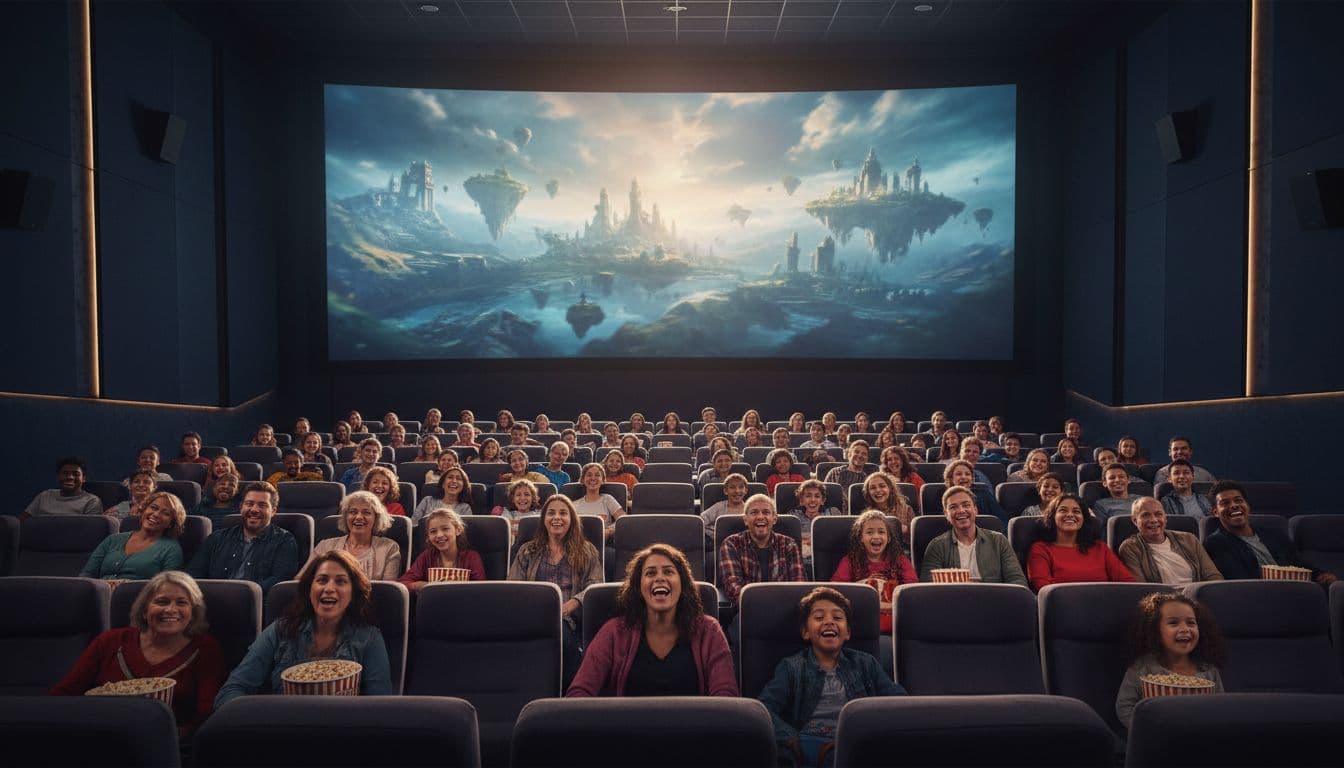
Viewers may get the best deal of all. People who want the opening-night crowd can go to the multiplex. Those who prefer home viewing can wait for the Netflix release. That pattern respects both habits instead of forcing one over the other.
Theaters get a new source of must-see movies
Multiplexes need films that feel worth leaving the house for. A new “Narnia” release fits that need better than many mid-budget streaming titles ever could.
Filmmakers may get more room to think big
A true theatrical plan can shape a movie from the start. Larger images, richer sound design, and a more ambitious sense of spectacle make more sense when the movie is built for cinemas first.
Viewers may end up with a better release pattern
This is likely where Netflix lands: selective theatrical runs for movies that can support them, then streaming access after. That approach is practical. It also matches how many people already watch films.
Final thoughts
Netflix is still a streaming company, but this move shows more flexibility than before. Some movies need the living room. Others need the big screen first.
The next “Narnia” film is a strong place to try that wider release model because the material is large, familiar, and built for shared excitement. If it works, Netflix may have found a better way to launch its biggest movies, not by replacing streaming, but by giving the right films a true theatrical start.